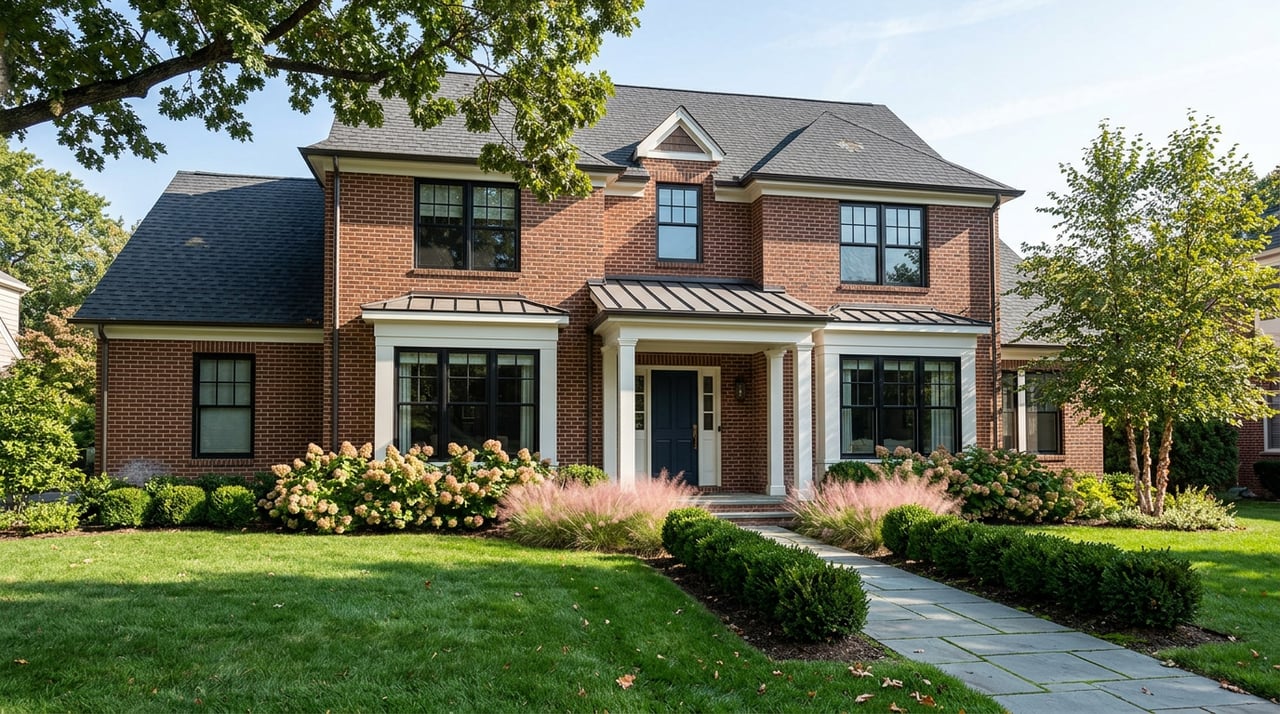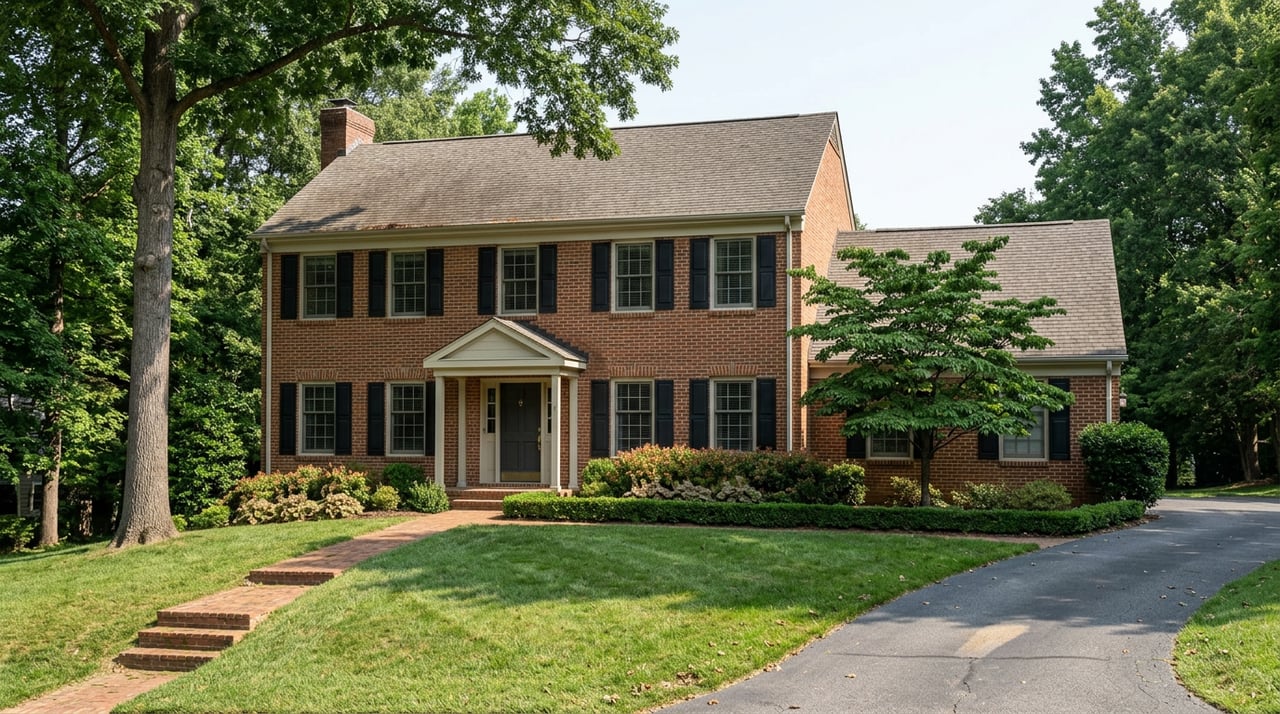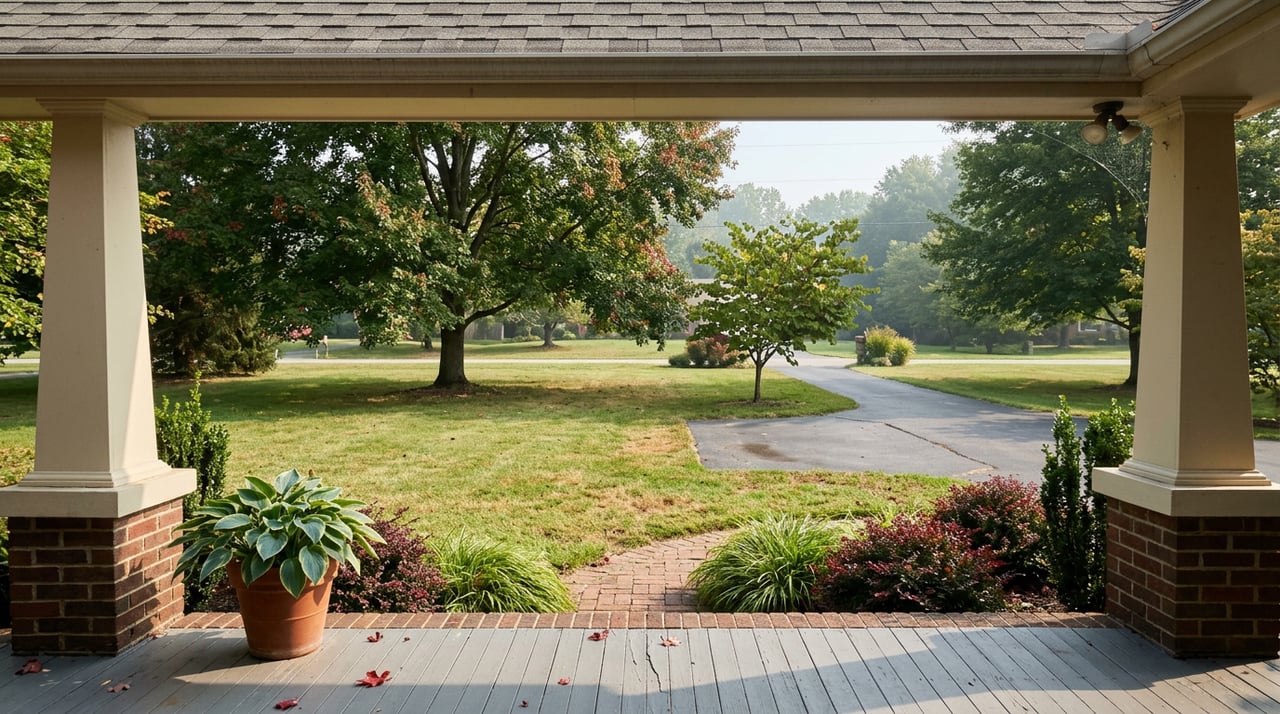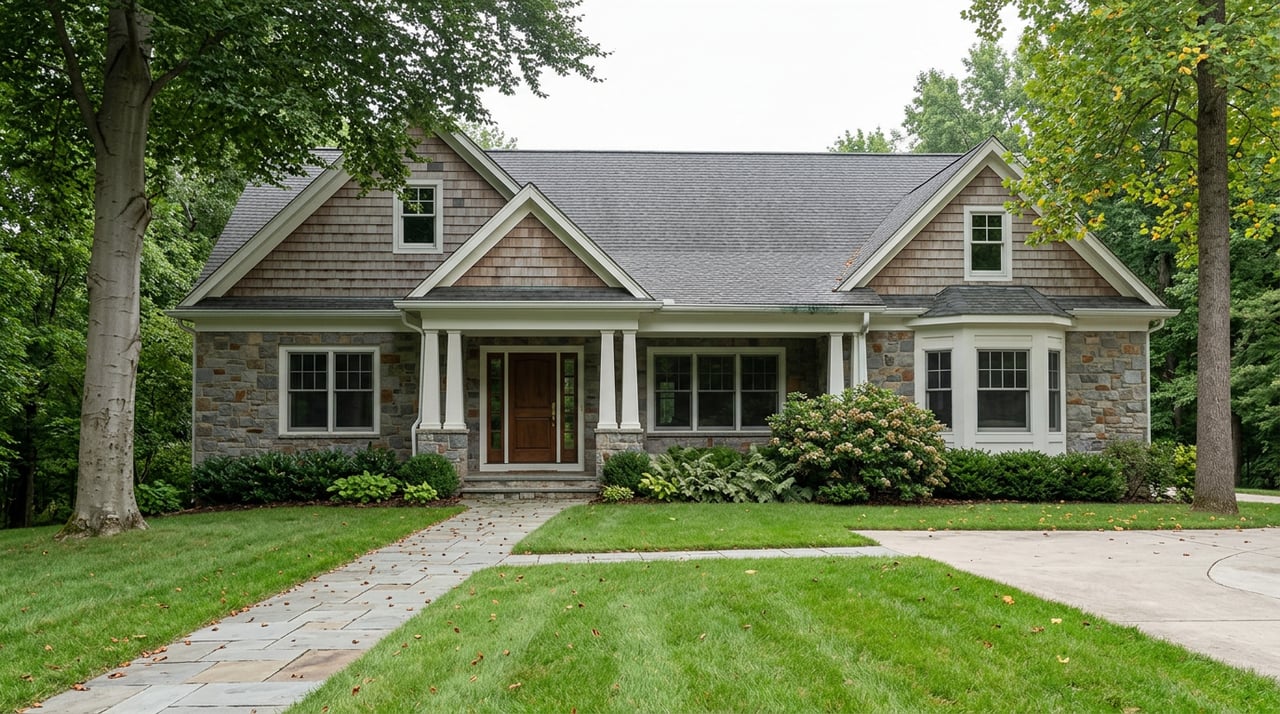
Every listing photo of Woodland Pond eventually finds its way to the water. The 120-acre lake is the reason the neighborhood carries its name, and it belongs to the community the way a front lawn belongs to a house: it's just there, folded into the dues everyone already pays. The pool is a different animal entirely. To swim laps, sign a kid up for summer meets, or reserve the clubhouse for a birthday party, you have to join a separate, privately run club with its own board, its own membership form, and right now, its own fundraising campaign to keep a 25-year-old facility standing.
That split, common ground on one side and opt-in club on the other, is easy to miss until the year one half of it needs real money and the other doesn't. This is that year.
Two HOAs, a Lakefront Association, and a Club That Answers to No One
Woodland Pond runs on more governing paperwork than its quiet streets suggest. Depending on which section of the neighborhood you live in, your home falls under Phase I or Phase II of the homeowners association, each with its own covenants and architectural review process. If your lot touches the water, you're also automatically a member of the Lakefront Association, while everyone else can join voluntarily. Then there's the Swim and Racquet Club, open to any resident of Woodland Pond, Gates Bluff, or First Branch who chooses to pay dues, and closed to anyone who doesn't.
The distinction matters because it decides who pays for what. The lake, the entrances, the 128-acre Conservancy, all of that gets funded through mandatory association dues that show up whether you use the amenities or not. The pool gets funded only by the people who sign up for it. When the lake needs a mowed bank or a landscaped entrance, the association budgets for it. When the pool needs a rebuild, the club has to ask.
What 25 Years Looks Like on a Pool Deck
The Woodland Pond Swim and Racquet Club's pool is a Z-shaped facility built around a 25-meter, six-lane main basin, with a shallow end for small kids at depths as low as two feet on one side and a diving well with a board and an eight-foot platform tunnel slide on the other. A separate baby pool sits in its own fenced area, and a permanent roof awning attached to the clubhouse keeps the deck shaded, with ceiling fans built in for the humid stretches of a Richmond summer. SwimMetro Management runs day-to-day operations, and three lifeguards are on duty at all times.
None of that is new information to anyone who has a membership tag. What's new is the tone coming from the club's own board.
Time to get her ready for the next generation of Woodland Pond citizens.
That's how the club's own site frames the campaign, and it isn't boilerplate. A quarter century of pool decks, pump systems, and clubhouse wiring adds up to real deferred maintenance, and unlike the HOA's mandatory reserve accounts, the Swim and Racquet Club can't simply raise everyone's dues to cover it. Membership is voluntary. Raising fees too far risks losing the members who keep the whole thing solvent in the first place.
How the Club Is Asking You to Pay
So instead of an assessment, the board is running a capital fund built on the kind of gesture you'd expect from a neighborhood that's known each other for decades: donations made in honor of a specific person. Members are invited to give in someone's honor, whether that's a longtime neighbor whose example they want to recognize or a young person in the community they see going places. It's a donor-wall model more common at a school or a church than a subdivision pool, and it fits a club that has no way to compel payment from anyone who isn't already a member.
The club's initiation fee structure works the same way. Every new member's initiation fee gets routed directly into the capital and maintenance reserve account, separate from operating dues. That's the mechanism by which a voluntary club builds up money for exactly this kind of rebuild, one new family, one honor gift, one renewal at a time, rather than one countywide tax assessment.
The Wave's Summer, Recapped
While the fundraising conversation played out on the club's homepage, the pool did what pools do every summer: hosted the Woodland Pond Wave. The team is open to kids ages 4 to 18, no prior swim team experience required, and competes in the Chesterfield Aquatic League against other neighborhood-based teams across the region. This season's schedule included a dual meet against Queensmill on June 23 and a Senior Night meet against Summer Lake on June 30, the kind of meet where graduating swimmers get recognized on the pool deck one last time before they age out of the roster.
The pool also ran a members-led water aerobics program this year, taught by longtime members Jane Schmierer and Barb Roquet, three mornings a week from 7:45 to 8:45 for a flat $75 season fee. Anyone who wanted to brave the water at its coldest could join the informally named Polar Bear Club starting May 23, weeks before the instructor-led classes began on June 10. Lap swimming stays available to members 23 and older, with a swim buddy required, from May through September.
None of that programming touches the lake. The lake doesn't run meets, doesn't need lifeguards, and doesn't ask anyone for a donation. It's simply there, the way a shared driveway is there, maintained by dues nobody has to think twice about.
The Clubs That Don't Send Fundraising Letters
Outside the pool's orbit, Woodland Pond runs a second, looser layer of social life that costs almost nothing to join and asks for even less. The Woodland Pond Garden Club, registered as its own 501(c)(3) nonprofit, spends its energy on service projects around the neighborhood rather than capital repairs, and this year it signed on with Brent and Becky's Bulbs, a Gloucester-based bulb grower, for the company's "Bloomin' Bucks" fundraiser. Members simply shop the vendor's site and select the Garden Club as their organization to route a portion of the purchase back to the club's own projects, no dues, no pledge cards.
A handful of other groups round out the calendar, and none of them own a building or a pool deck to maintain:
- Lunch Bunch, which meets monthly year-round and rotates through restaurants across the Richmond area rather than sticking to one spot
- Marathon Bridge, a standing card group that gathers regularly for games
- A car enthusiast group that organizes informal rallies
None of these require a membership fee, a board vote, or a capital account, because none of them own physical infrastructure that ages.
That's the real dividing line running through Woodland Pond's social calendar. Groups built around a shared hobby cost nothing to sustain. Groups built around a shared facility eventually need a fund.
The 8,000 Acres Next Door That Nobody Here Manages
One more piece of the picture sits just outside any of Woodland Pond's associations entirely. The neighborhood borders Pocahontas State Park, Virginia's largest state park, with more than 90 miles of trails for hiking, biking, and horseback riding across roughly 8,000 acres. None of Woodland Pond's four governing bodies maintains a foot of it. It's simply adjacent, a shared boundary rather than a shared budget, open to residents and non-residents alike on the same terms.
It's a useful contrast to everything else in this post. The lake is common property funded by mandatory dues. The pool is club property funded by voluntary ones, currently asking for more. The park next door is public property funded by neither, and costs Woodland Pond residents nothing beyond the gas to drive there.
Three kinds of ownership, three kinds of upkeep, all sitting inside the same handful of zip codes. Understanding which is which explains a lot about where the neighborhood's civic energy is actually pointed this year, and it happens to be pointed at a pool deck that's finally getting its turn.
If you're a longtime Woodland Pond resident with questions about what any of this means for your own property, or you're simply curious how a neighborhood's amenity structure holds up over decades, Heather Grubb is always glad to talk through it. Let's Connect.